

Digestive health
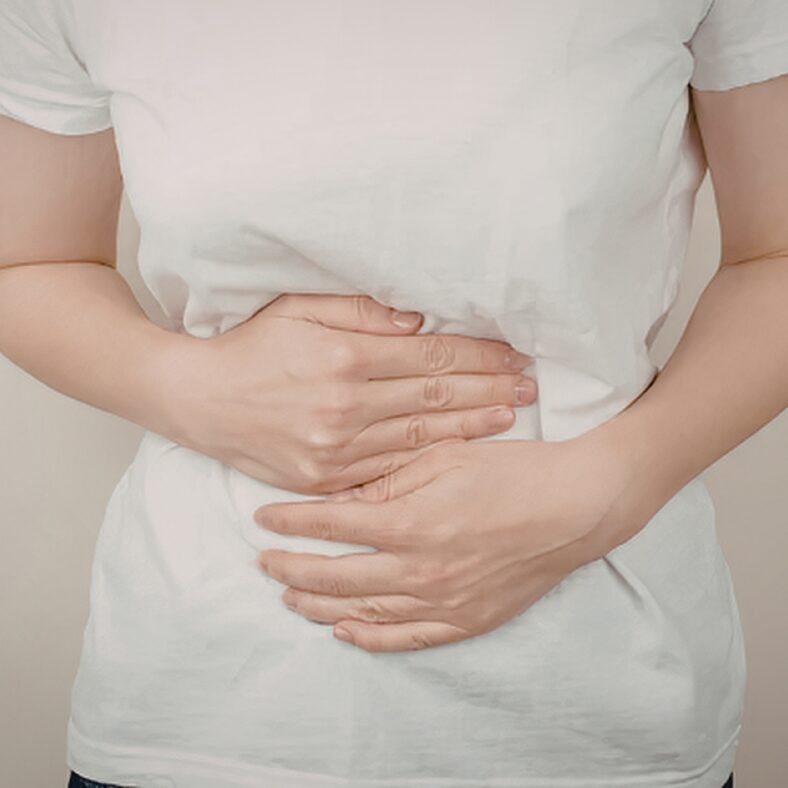
Sometimes stomach pain? Occasional constipation? Or, on the contrary, episodes of diarrhea? When should you consult a doctor? Which tests are recommended?
Digestive problems are often grouped under the term gastrointestinal disorders. They can affect one or several organs and present in very different ways. Some symptoms are highly specific to certain diseases, while others are more general and may be linked to several different causes.
Understanding disorders of the digestive system
When we talk about the digestive system, we often think of the stomach, intestines or colon. In reality, it is much broader: it starts at the mouth and ends at the anus. This entire long tract is involved in digestion and can be affected by various disorders.
Digestive diseases can be mild and temporary, but they can also be serious or disabling. Some resolve quickly, while others are chronic and require regular follow-up.
When should you consult?
Which symptoms should you watch for?
Clinical signs are numerous and not always specific: abdominal pain, bowel habit changes, nausea or vomiting, regurgitation or heartburn.
Some warning signs require immediate attention and justify prompt consultation:
- Sudden, severe, unusual abdominal pain
- Digestive bleeding or the presence of blood in the stool
- Diarrhoea with blood or mucus
- Unexplained weight loss not related to dieting
- Change in skin colour (yellowing or unusual paleness)
- In children: intense thirst, delayed growth or weight gain
How is digestive health assessed?
To understand what is happening, doctors combine clinical examination, laboratory tests and imaging.
Routine tests and laboratory analyses
Blood tests
- Complete blood count (CBC): detects anemia, often linked to digestive bleeding or malabsorption
- C-reactive protein (CRP): measures inflammation
- Anti‑transglutaminase IgA antibodies: main test for detecting celiac disease
- TSH: may be checked if bowel habit disturbances are present
Stool tests ?
- Stool analysis is essential to detect bacterial viral and parasitic infections during episodes of diarrhea
- Fecal calprotectin testing is the reference test to distinguish organic inflammation (inflammatory bowel disease) from functional disorders such as irritable bowel syndrome
- Fecal hemoglobin testing detects blood not visible to the naked eye (colorectal cancer screening)
-
Functional tests and the microbiome
-
Breath tests detect sugar intolerances such as lactose or fructose intolerance, or bacterial overgrowth in the small intestine (SIBO).
-
Intestinal microbiome tests analyse bacterial diversity, but they are mainly used as supplementary information rather than as a diagnostic tool.
Visual examinations and imaging
If symptoms persist:
- Abdominal ultrasound or CT scan: evaluates the liver, gallbladder and pancreas
- Gastroscopy: examines the oesophagus, stomach and duodenum
- Colonoscopy: inspects the colon and detects polyps or lesions
- MR enterorrhaphy: explores the small intestine, which is harder to access
The intestinal microbiota: what is it exactly?
The intestinal microbiota refers to all the microorganisms living in our digestive tract: bacteria, viruses and fungi. When people talk about it, they mostly refer to the colon microbiota, because this is where it is the most dense and diverse.
What is its role?
The microbiota plays several important roles:
- It helps digest certain dietary fibers that the body cannot break down on its own
- It produces useful substances, such as fatty acids that benefit the body
- It interacts with the immune system, helping protect us
- It protects against harmful bacteria
The microbiota changes constantly !
-
- It varies greatly from one person to another
- It evolves rapidly, even within the same individual
- It depends on many factors: diet, stress, sleep, environment, medications, etc.
There is therefore no single “ideal” microbiota that everyone should have. Two healthy people can have very different microbiotas.

Health and the microbiota: links, not certainties
-
Many studies show that certain microbiota characteristics are associated with specific health states.
⚠️ However, association does not mean causation.The microbiota as a mirror of lifestyle
It responds quickly to diet, lifestyle rhythm, stress and medications, sometimes within just a few days.
The diversity and composition of bacteria mainly reflect lifestyle, not necessarily disease.
What matters most is not the names of the bacteria or their proportions, but what they actually do in the body.
Should you test your microbiota?
These tests show which bacteria are present and in what quantities. They sometimes offer a “personalized map” and dietary recommendations.
-
But caution is needed:
- There is no universal ideal profile
- Results are not standardized
- Individual variability is very high
- Recommendations are often exploratory, not definitive
The benefit of microbiota testing in healthy individuals remains limited.
In summary
The microbiota is living, constantly changing and unique. It reflects lifestyle, responds to diet, stress and the environment, and plays an important role in health. But there is no universal recipe, and its composition must be interpreted with caution.
10 tips to take care of your digestion
Tip 1: Eat fiber-rich foods
Fiber is your digestive system’s best friend. Found in fruits, vegetables, whole grains and legumes, fiber helps regulate bowel movements, prevent constipation and reduce the risk of digestive disorders.
Tip 2: Drink enough water
Water is essential for proper intestinal function. Poor hydration can cause constipation, as water helps soften stools and make them easier to pass.
Tip 3: Favor anti-inflammatory foods and probiotics/prebiotics
Omega‑3 fatty acids (fatty fish, flaxseeds) are known for their systemic anti-inflammatory effects.
Probiotics (yogurt, kefir, fermented foods) and prebiotics (garlic, onions, bananas) help balance the intestinal microbiota, improve digestion, strengthen the immune system and reduce inflammation.
Tip 4: Exercise regularly
Physical activity supports digestion by promoting regular bowel movements and improving intestinal motility. Exercise can also reduce the risk of reflux and bloating. Yoga, walking or strength training: move every day.
Tip 5: Manage stress
Stress can cause stomach pain and bloating. Techniques such as meditation and deep breathing can help
Tip 6: Limit processed foods and sugar
Ultra-processed foods, refined sugars, artificial sweeteners and excess saturated fats can disrupt the microbiota and promote inflammation. Favor whole, unprocessed foods.
Tip 7: Know when to consult
Persistent bloating, diarrhoea, constipation or abdominal pain should not be ignored. They may signal conditions such as irritable bowel syndrome, inflammatory bowel disease or celiac disease. Blood in the stool requires prompt consultation
Tip 8: Get regular screenings
Regular check-ups with a specialist are essential, especially if you are at risk for colorectal cancer or chronic diseases. Adults over 45 or with a family history should prioritize screening.
Tip 9: Adjust eating habits at meals
Large meals can overload the digestive system, causing reflux or indigestion. Choose smaller, more frequent meals and chew thoroughly to help digestion.
Tip 10: Prioritize sleep
Your digestive system uses sleep time to repair and function properly. Lack of sleep can harm gut health. Aim for 7–9 hours per night and maintain a regular sleep schedule
Möchten Sie sich informieren und auf Ihre Gesundheit achten?
Meldet euch für den Ketterthill-Patienten-Newsletter an!
Erhalten Sie Gesundheitsinformationen und Präventionstipps.